
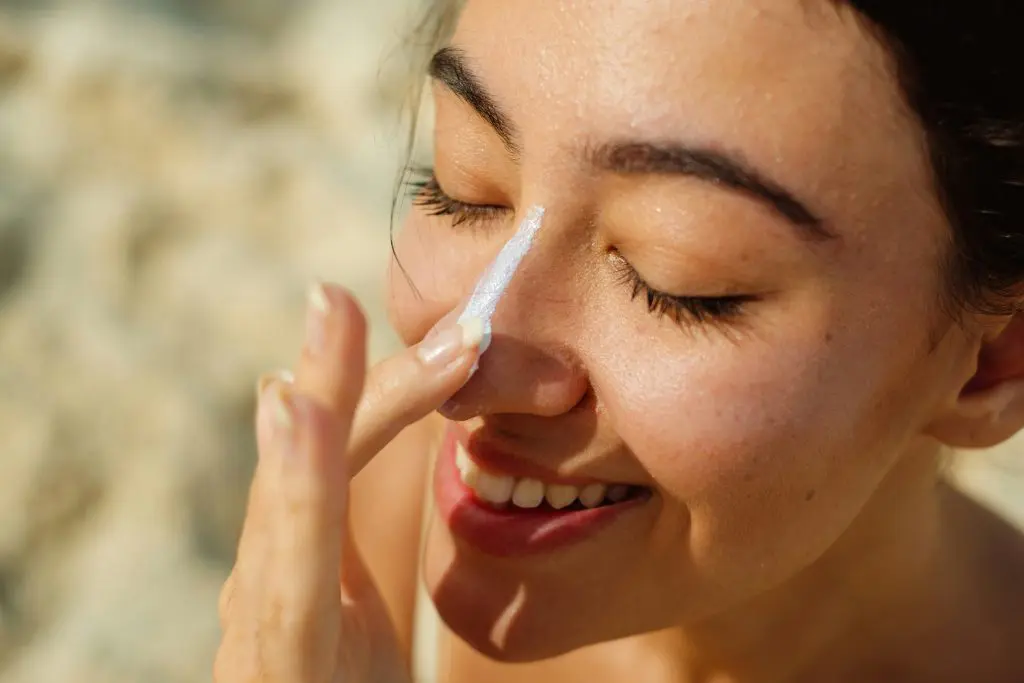
Skin damage from sun exposure occurs more rapidly in New Zealand than in many other parts of the world, with serious implications for long-term skin health. Our UV radiation levels are consistently higher, meaning even short periods outdoors can contribute to premature ageing, pigmentation changes, and collagen breakdown.
Many people associate sun exposure with visible sunburn, but ageing often occurs silently beneath the surface. Fine lines, uneven tone, and loss of firmness develop gradually as ultraviolet radiation disrupts the deeper layers of the skin. Understanding why this happens more quickly in New Zealand is the first step toward effectively protecting your skin from UV damage.
Why UV Levels in New Zealand Are So Intense
New Zealand experiences some of the highest levels of ultraviolet radiation globally. Several environmental factors contribute to this.
First, the country’s geographical position means we are closer to the sun during the summer months. Second, lower air pollution levels allow more UV radiation to reach the Earth’s surface. Third, seasonal ozone thinning over the Southern Hemisphere increases the risk of exposure.
This combination means that even on cooler or cloudy days, ultraviolet radiation remains strong. Many people underestimate the effects of exposure when temperatures feel mild, leading to cumulative damage over time.
How Skin Damage From Sun Accelerates Ageing
Skin damage from sun exposure primarily affects collagen and elastin, the structural proteins responsible for firmness and elasticity. Ultraviolet A rays penetrate deeply into the dermis, where they cause breakdown of collagen fibres.
As collagen degrades, the skin loses support. Fine lines form earlier, and existing wrinkles deepen. Elasticity decreases, causing sagging around the jawline and eyes.
Ultraviolet B rays contribute to surface damage, redness, and pigmentation. Repeated exposure stimulates excess melanin production, resulting in uneven tone and dark spots.
Over time, these changes accumulate. The result is premature ageing that may appear years earlier than expected.
The Hidden Effects Beneath the Surface
Not all UV damage is immediately visible. In fact, much of it develops gradually at a cellular level.
Repeated exposure to UV radiation creates oxidative stress, damaging DNA, lipids and proteins within skin cells. This can weaken barrier function and trigger low-grade inflammation, contributing to dryness, sensitivity and uneven skin tone, even without an obvious sunburn.
Chronic exposure also alters the way skin repairs itself. As repair mechanisms slow, signs of ageing become more pronounced, and recovery from irritation takes longer.
Why Everyday Exposure Matters More Than You Think
Many people assume that only beach days or outdoor sports create risk. However, daily incidental exposure contributes significantly to skin damage from the sun.
Walking to your car, sitting near windows, driving, and outdoor errands all add to cumulative UV exposure. Because this exposure is gradual, it often goes unnoticed. UVA rays can pass through window glass, meaning exposure can occur even while indoors or in the car.
In New Zealand’s high UV environment, these small exposures add up quickly. Over months and years, they can cause visible signs of ageing and pigmentation changes, even in those who rarely burn.
Pigmentation & Uneven Skin Tone
One of the most common consequences of UV exposure in New Zealand is persistent pigmentation.
Ultraviolet radiation stimulates melanocytes, the cells responsible for producing pigment. Both UVA and UVB radiation can trigger this process. Once activated repeatedly, these cells can become overactive, creating dark spots that are difficult to fade without targeted treatment.
Pigmentation often appears on the cheeks, forehead, and upper lip. It may worsen seasonally and return each summer if preventative measures are not maintained.
Addressing pigmentation effectively requires both treatment and strict UV protection to prevent recurrence.
Rosacea & Sun Exposure in New Zealand
For people living with rosacea, ultraviolet radiation can be a significant trigger. In New Zealand’s high-UV environment, even brief exposure may lead to increased flushing, redness, and visible capillaries.
UV radiation stimulates inflammation within the skin. In rosacea-prone individuals, facial blood vessels are already more reactive. When exposed to sunlight, these vessels dilate more easily, intensifying persistent redness and discomfort.
Sun exposure can also weaken the skin barrier. A compromised barrier allows moisture loss and increases sensitivity, making rosacea symptoms more difficult to control. Over time, repeated UV-triggered inflammation may worsen the overall severity and frequency of flare-ups.
Consistent sun protection is therefore essential for rosacea management. Mineral-based sunscreens are often better tolerated by sensitive skin types, and protective habits such as wearing wide-brimmed hats and seeking shade during peak UV hours can significantly reduce flare intensity.
When rosacea is managed alongside careful UV protection and targeted treatment, flare-ups become easier to control and long-term skin stability improves.
Protecting Your Skin in a High-UV Country
Preventing premature ageing requires consistent sun protection habits year-round.
Daily broad-spectrum sunscreen is essential, even during winter. Protective clothing, sunglasses, and shade-seeking behaviours further reduce exposure. Reapplication is particularly important during extended outdoor periods.
In addition to protection, incorporating ingredients that support skin repair can help counteract existing damage. Antioxidants help neutralise free radicals caused by UV exposure. Retinoids stimulate collagen production and improve cell turnover. Pigment-regulating agents target uneven tone.
However, these treatments must be introduced carefully and used consistently to be effective.
Repairing Existing UV Damage
While prevention is ideal, many people are already experiencing visible signs of ageing linked to UV exposure.
Fine lines, sun spots, and rough texture can often be improved with clinically guided treatment plans. Prescription-strength formulations may support collagen renewal and pigment correction more effectively than over-the-counter options.
Because UV damage develops over time, improvement also requires patience. Results are typically gradual and depend on continued adherence to both treatment and protection strategies.
Maintaining consistency is key. Without ongoing care, progress can stall or even reverse, particularly in a high-UV environment.
Long-Term Skin Health in New Zealand
Living in New Zealand does not mean premature ageing is inevitable. It does mean that prevention and early intervention matter more.
Understanding how skin damage from sun exposure accelerates ageing empowers you to take proactive steps. Consistent protection, appropriate treatment, and regular monitoring can significantly reduce visible impact.
By prioritising daily habits and guided care, it is possible to maintain smoother texture, more even tone, and stronger skin resilience despite environmental challenges.
Concerned About Sun-Related Skin Changes?
If you notice fine lines, pigmentation, or changes in firmness, Skinthesis offers personalised treatment plans to address sun-damaged skin in New Zealand’s high-UV conditions. With dermatologist-guided support and tailored formulations delivered directly to your door, you can take control of your skin health with confidence. Get in touch today to start your personalised plan.