
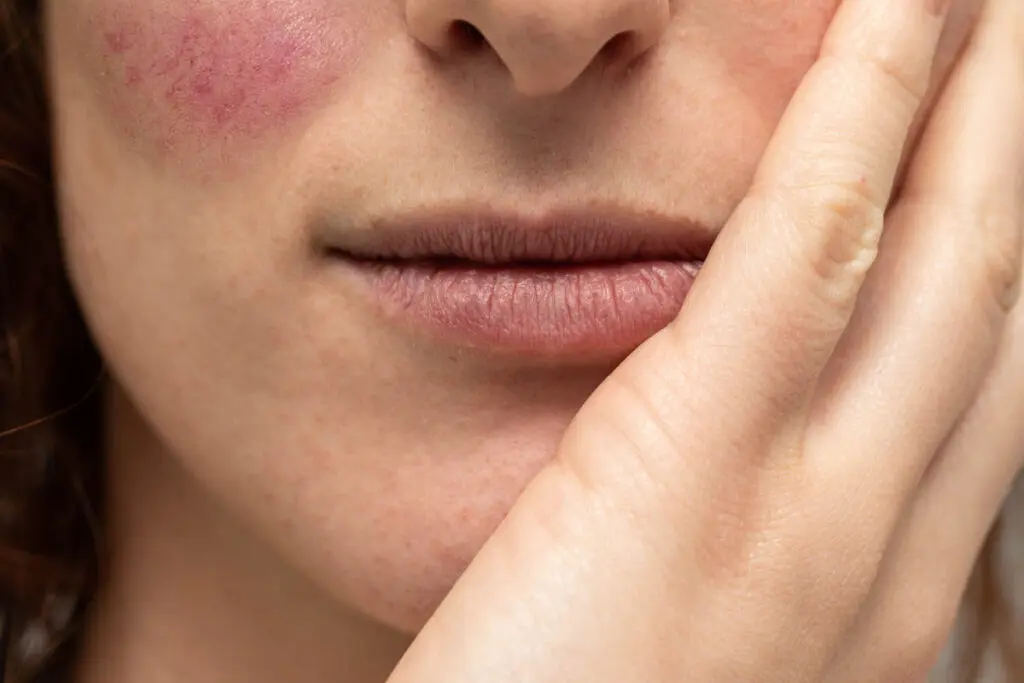
Rosacea can be a persistent and frustrating skin condition. Redness, visible blood vessels, bumps, and irritation can interfere with daily life, leaving many people searching for solutions that provide lasting results. It’s a complex skin condition influenced by genetics, immune system responses, environmental factors, and lifestyle habits.
Because of this complexity, managing rosacea effectively often requires a more targeted approach than standard products can provide. Understanding why generic solutions fall short can help you recognise when it may be time to explore a personalised, dermatologist-led approach for rosacea management.
Every individual experiences rosacea differently. Symptoms, severity, and triggers vary, and what works for one person may not work for another. Persistent symptoms despite regular self-care usually indicate that professional guidance is needed to achieve long-term improvement and maintain healthier skin.
Understanding Rosacea and Its Triggers
Before effective treatment can begin, it’s important to understand the condition. Rosacea is a chronic inflammatory skin disorder that primarily affects the face, causing redness, flushing, visible blood vessels, and sometimes acne-like bumps. While the exact cause isn’t fully known, genetics, immune system factors, and environmental triggers all play a role.
How to Recognise Rosacea
Early identification is key to successful rosacea management. Look out for:
- Persistent facial redness, particularly on the cheeks, nose, or forehead
- Visible blood vessels (telangiectasia)
- Flushing triggered by heat, exercise, or certain foods
- Bumps or pustules resembling acne
- Dryness, stinging, or rough skin texture
Understanding how to recognise rosacea early on allows dermatologists to intervene before symptoms worsen, preserving skin health and preventing long-term damage.
Trigger Identification and Avoidance
Triggers often play a significant part in the frequency and severity of flare-ups. Common triggers include:
- Stress or emotional triggers
- Alcohol consumption
- Hot weather or sun exposure
- Spicy foods and certain beverages
- Harsh skincare products, fragrances, or certain cosmetics
Tracking your personal triggers can help manage symptoms and guide dermatologists in creating your personalised rosacea management plan. Many patients benefit from keeping a simple diary, noting when flare-ups occur and what may have prompted them.
Dermatologist Rosacea Treatment: A Personalised Approach
Dermatologists don’t use a one-size-fits-all solution for rosacea. Each patient’s skin is unique, and treatment plans are tailored based on severity, triggers, and lifestyle factors. Depending on your symptoms, dermatologists often prescribe topical treatments to calm redness and manage breakouts and calm the associated redness. These may include:
- Antimicrobial agents such as topical antibiotics or ivermectin
- Azelaic acid, which reduces inflammation and improves skin clarity
- Niacinamide, a soothing ingredient that supports a stronger, healthier skin barrier
These treatments work best when combined with a daily skincare routine and a personalised long-term rosacea care plan.
Creating a Daily Skincare Routine for Rosacea
Effective rosacea management also involves consistent at-home care. Dermatologist rosacea treatment emphasises gentle, non-irritating skincare products that support the skin barrier. Key elements of a daily routine include:
- Gentle, fragrance-free cleansers to avoid irritation
- Moisturisers to maintain hydration and support the skin barrier
- Broad-spectrum SPF to prevent sun-induced flare-ups
Establishing these habits not only reduces flare-ups but also supports the effectiveness of any prescribed treatments.
Long-Term Care Strategies
Beyond daily routines, dermatologists’ rosacea treatment encourages ongoing strategies to maintain results:
- Regular follow-ups to adjust treatments as needed
- Continued identification and avoidance of triggers
- Education on skincare ingredients and lifestyle adjustments
Clinicians will tailor each long-term treatment plan to an individual’s skin type, severity, and symptoms, ensuring a personalised approach to long-term rosacea care.
Telehealth Consultation: Accessible Expertise
For many patients, in-person visits may not always be convenient. A telehealth consultation allows dermatologists to assess symptoms remotely, review photos, and provide personalised advice without the need for an office visit.
Telehealth consultations make it easier to maintain continuity of care, track progress, adjust treatments, and receive guidance on managing triggers – all essential elements of effective long-term rosacea care.
Ready to Take Control of Rosacea?
Rosacea is more than just facial redness; it’s a chronic condition that can impact your confidence and overall well-being. While over-the-counter skincare may offer short-term relief, lasting results are best achieved with expert guidance. Professional support provides a clear path forward, with a personalised treatment plan that adapts to your skin’s changing needs.
Skinthesis offers customised care delivered by NZ-registered clinicians experienced in managing rosacea. Through comprehensive assessments and prescription-based support, we can help you move beyond temporary fixes towards visible, long-term improvements. Get in touch with us today to start your journey to healthier, clearer skin.