
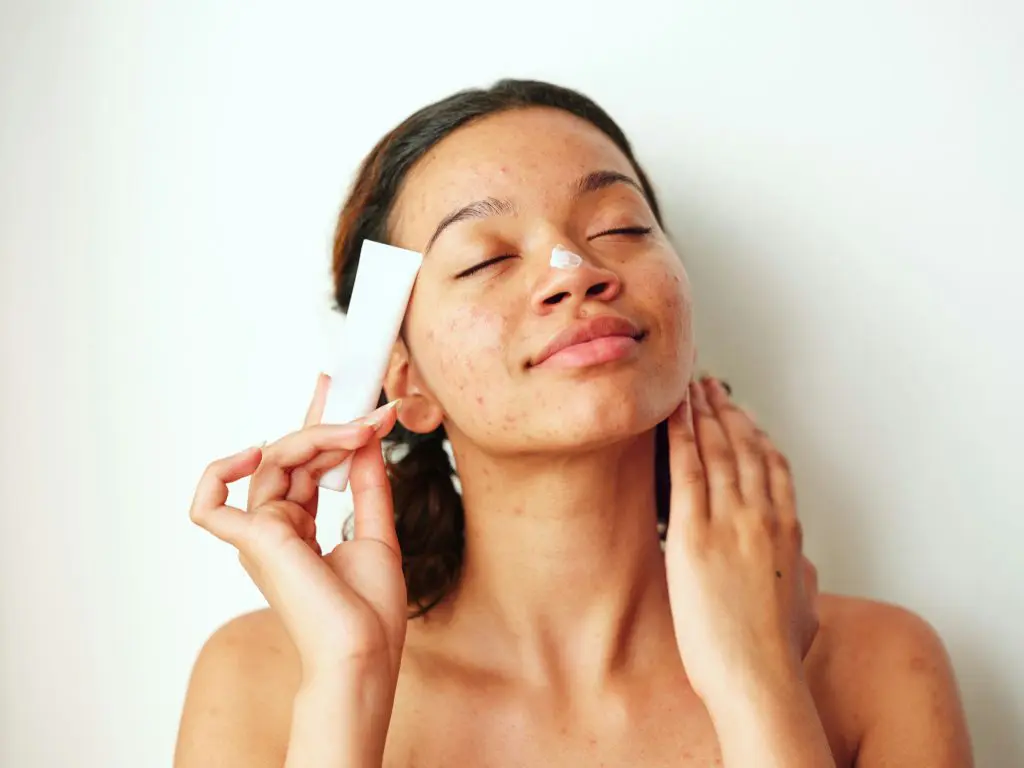
Persistent breakouts can be frustrating, especially when standard products fail to deliver consistent improvement, which is often a sign that you may need customised treatment for acne. While mild congestion may respond to basic skincare adjustments, ongoing inflammation, recurring flare-ups and resultant scarring usually indicate deeper triggers that require targeted intervention.
Your specific acne condition requires a customised approach. Each person’s experience will vary in severity, cause, and skin response. Hormones, genetics, stress, medication, and barrier health all play a role. When breakouts continue despite your best efforts, it may be time to move beyond generic solutions and consider a more personalised approach.
Signs You May Need Customised Treatment for Acne
Not all acne behaves the same way. Recognising the signs that your skin needs structured support is essential.
If breakouts persist for several months despite over-the-counter products, this suggests the root cause is not being addressed. Similarly, painful cystic lesions, deep nodules, or frequent flare-ups along the jawline may point to hormonal involvement.
Another indicator is post-inflammatory pigmentation or scarring. When acne leaves visible marks long after spots have healed, it suggests that the previous inflammation was significant and that treatment may not have been introduced early or effectively enough to minimise long-term skin changes. Frequent product switching can also disrupt the skin barrier, worsening redness and sensitivity. In these cases, customised treatment for acne helps restore balance while targeting active lesions more effectively.
Why Over-The-Counter Acne Treatment Is Not Always Enough
Many people begin with pharmacy products containing salicylic acid or benzoyl peroxide. These ingredients can be effective for mild congestion. However, moderate to severe cases often require prescription-strength support.
Acne treatment becomes more complex when hormones, excess oil production, bacterial overgrowth, and inflammation interact. Using one active ingredient alone rarely addresses all contributing factors.
Inconsistent routines can also limit progress. Stopping treatment once improvement appears often leads to relapse. A structured plan ensures treatment continues long enough to stabilise the skin.
When breakouts remain stubborn, a professional assessment can determine whether your acne requires stronger topical formulations or additional therapeutic options.
Hormonal Acne & Adult Breakouts
Adult acne is increasingly common, particularly in women experiencing hormonal fluctuations. Breakouts along the lower face, chin, and neck often follow cyclical patterns.
Hormonal acne typically does not respond well to surface-level treatments alone. It may require prescription ingredients that regulate inflammation and oil production more effectively.
Stress can also influence hormone levels and trigger flare-ups. Without a personalised strategy, this cycle can continue for years.
A tailored approach considers both visible symptoms and underlying triggers, creating a plan that supports long-term stability rather than temporary suppression.
The Role of Personalised Assessment
Effective acne management begins with understanding your unique skin profile. This includes evaluating skin type, sensitivity, previous treatments, medical history, and lifestyle factors.
Choosing a customised treatment for acne allows your dermatologist to prescribe ingredients at strengths appropriate for your tolerance level. Retinoids, azelaic acid, topical antibiotics, and anti-inflammatory agents may be combined strategically to address multiple pathways of acne development.
Regular follow-up is equally important. Skin changes over time, and adjustments may be needed to prevent irritation or a plateau. Ongoing review ensures that progress continues without compromising barrier function.
When Scarring & Pigmentation Become a Concern
Repeated inflammation increases the risk of scarring and uneven tone. Early intervention reduces the likelihood of permanent marks.
If you are noticing indentations, raised scars, or lingering dark spots, delaying targeted care can make correction more difficult. Structured acne treatment plans not only focus on clearing active lesions but also on preventing future damage.
Pigmentation often worsens with sun exposure, particularly in New Zealand’s high UV environment. Integrating preventative strategies alongside active treatment supports better overall outcomes.
The Benefits of Dermatologist Acne Care
Seeking professional acne care provides clarity and direction. Instead of trial and error, you receive guidance grounded in clinical assessment.
Prescription formulations are tailored to your skin rather than selected generically. Strength adjustments are monitored. Side effects are managed promptly. This structured oversight improves both safety and results.
Importantly, professional acne care focuses on both maintenance and clearance. Acne often requires ongoing management even after visible improvement. A guided plan reduces relapse risk and supports long-term skin stability.
If you are unsure whether your breakouts require more targeted support, an in-depth online consultation can help determine the most appropriate next steps. You can book a review via our online consultations page to receive personalised recommendations tailored to your specific presentation.
When to Act Rather Than Wait
Many people delay seeking help, hoping that their acne will resolve naturally. While some mild cases do settle, persistent inflammation increases the risk of long-term scarring and can even have an emotional and social impact.