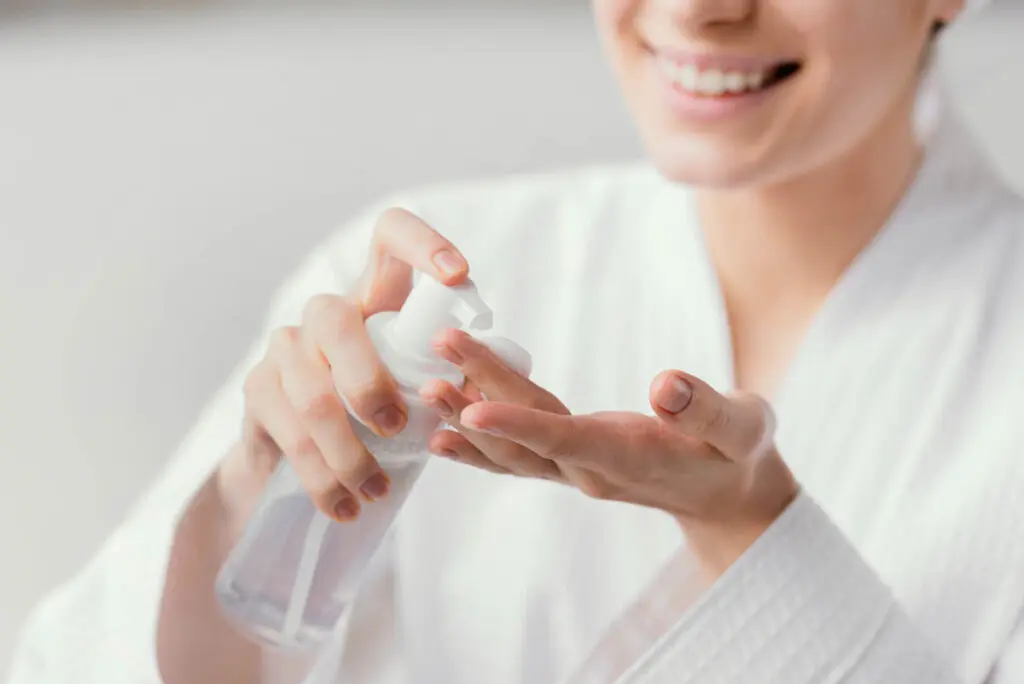
Many people begin their acne journey by trying products from supermarkets or pharmacies. Shelves are filled with cleansers, spot treatments, and creams that promise clear skin. While some of these products can help mild breakouts, many individuals find that over-the-counter acne products simply do not deliver the long-term results they expected.
Acne is a complex skin condition influenced by hormones, genetics, inflammation, and lifestyle factors. Treating it effectively often requires a more targeted approach than general skincare products can provide. Understanding why standard products fail can help you see where it may be time to try a more personalised acne treatment.
The Limits of Over-the-Counter Acne Products
These types of products are widely available because they can be used without a prescription. These formulas are designed to treat common breakouts and are generally safe for most skin types. However, their accessibility also means their strength and formulation are limited.
Many acne products available without a prescription contain ingredients such as salicylic acid, benzoyl peroxide, or mild exfoliants. While these ingredients can be helpful for some people, they are designed to work broadly rather than address the specific causes of an individual’s acne.
For people experiencing persistent or inflammatory acne, these general treatments may not provide enough support to control breakouts effectively.
Acne Is Not the Same for Everyone
One of the main reasons acne treatments fail is that acne itself is not a single condition. Two people can have breakouts that look similar but are caused by entirely different factors.
Common acne triggers include:
- Hormonal fluctuations
- Excess oil production
- Blocked pores
- Inflammation
- Bacterial growth
- Reaction to skincare products
- Lifestyle and environmental factors
Because these triggers vary from person to person, a standard skincare product cannot always address the underlying cause. Treating acne successfully often requires identifying what is driving breakouts in the first place.
Generic Products Cannot Target Individual Skin Needs
Another challenge with these generic types of acne products is that they are designed for the general population. This means they cannot adapt to different skin sensitivities, acne types, or treatment goals.
Some people have very oily skin, while others struggle with dryness or sensitivity. A product that works well for one person may cause irritation or worsening breakouts for someone else.
Generic acne products also tend to rely on a single active ingredient rather than a balanced combination tailored to an individual’s skin. This can make them less effective when acne is caused by several factors working together.
Many Products Only Treat the Surface
Another reason these products can fall short is that they often focus only on visible symptoms rather than deeper causes.
For example, some products aim to dry out pimples or remove excess oil from the skin’s surface. While this may temporarily reduce the appearance of breakouts, it does not always address the underlying inflammation or hormonal triggers that cause acne to return.
In some cases, overly harsh treatments can even disrupt the skin barrier. This can lead to irritation and inflammation, which may contribute to further breakouts.
Trial & Error Can Delay Effective Treatment
Many people spend months or even years experimenting with different acne products before seeking clinical guidance. Trying multiple cleansers, toners, spot treatments, and masks can become frustrating and expensive without delivering lasting results.
The trial-and-error approach also makes it difficult to determine which ingredients are helping and which may be aggravating the skin.
When acne persists despite consistent skincare routines, it is often a sign that the condition requires a more structured treatment plan guided by clinical expertise.
Prescription Treatments Target Acne More Precisely
Prescription acne treatments differ from retail products because they can be tailored to a person’s specific skin concerns.
Clinicians consider factors such as acne severity, skin sensitivity, and treatment history before recommending a plan. This approach allows for more precise care and can include topical medications, combination therapies, or oral medications where appropriate.
Many prescription formulas use ingredients not found in standard skincare products, or use them at concentrations that provide stronger therapeutic effects.
Because these treatments are tailored to the individual, they often provide more consistent and sustainable results.
The Role of Personalised Acne Treatment
A growing number of people are exploring personalised acne treatment options that combine clinical assessment with customised skincare formulas.
Rather than using a generic product, personalised treatment focuses on understanding a person’s skin in detail. This may include assessing acne type, identifying potential triggers, and designing a treatment formula that targets multiple factors contributing to breakouts.
Custom formulas can include carefully selected active ingredients that work together to reduce inflammation, unclog pores, and support the skin barrier. Because the treatment is designed specifically for the individual, it can also be adjusted over time as the skin responds.
For many people who have struggled with standard acne products, this personalised approach provides a clearer pathway toward long-term skin improvement.
When It May Be Time to Seek Expert Guidance
While mild acne may respond to simple skincare routines, persistent or severe breakouts often benefit from clinical support.
Signs that it may be time to consider expert guidance include:
- Acne that continues despite regular skincare
- Frequent painful or cystic breakouts
- Breakouts leaving marks or pigmentation
- Skin irritation from multiple acne products
Seeking advice earlier can help prevent acne from becoming more severe and reduce the risk of long-term skin damage.
Moving Beyond Generic Acne Products
Managing acne successfully often requires more than simply purchasing another product from the shelf. Because acne can develop for many different reasons, treatments that take a personalised approach are often better suited to addressing the condition at its source.
Understanding the limitations of over-the-counter acne products can help people recognise when it is time to explore alternative options that provide more targeted support.
Take the First Step Toward Clearer Skin
If your current acne products have not delivered the results you hoped for, it may be time to explore a more personalised approach to skincare. Skinthesis connects you with an experienced clinician to assess your skin concerns and design a treatment plan tailored to your needs.Get in touch with Skinthesis today to begin your journey toward clearer, healthier skin with expert guidance and customised care.